Relax Your Jaw.
Reclaim Your Day.
Eat comfortably. Laugh freely. Stop letting jaw tension run your day.
Painful chewing. Tight mornings. Clenching you catch yourself doing again and again. Tension that travels into your neck and shoulders.
You deserve a treatment plan that connects the whole picture.
Our physician-led TMJ program brings together advanced therapeutic technologies and personalized assessment to address painful jaw muscles, surrounding tissues, connected neck and shoulder tension, and the factors keeping you clenched.
Our goal: lasting improvement in comfort and function, with less reliance on medication.
━ Relief and Correction Are Not Always the Same Thing
Still Clenching. Still Hurting. Still Looking for Answers?
Maybe you wear a guard every night—but wake up with a tight, aching jaw.
Maybe massage helps, then the tension returns.
Maybe you’ve learned to avoid certain foods, limit how wide you open your mouth, or reach for medication when symptoms flare.
Those experiences tell us to look further.
Your jaw works with the muscles of your face, neck, and shoulders. Your daily habits, movement patterns, sleep, and stress responses can influence that system, too.
At Isom MD, we assess those connections and build a plan around the contributors we identify.
A more complete assessment. A more targeted plan. A clear path forward.
A mouth guard can protect your teeth. Massage can temporarily relax tight muscles. Pain medication can reduce discomfort. But if the muscles continue to overwork, the jaw remains restricted, or clenching and grinding patterns continue, the symptoms can return. That is why our approach looks beyond the painful joint itself.
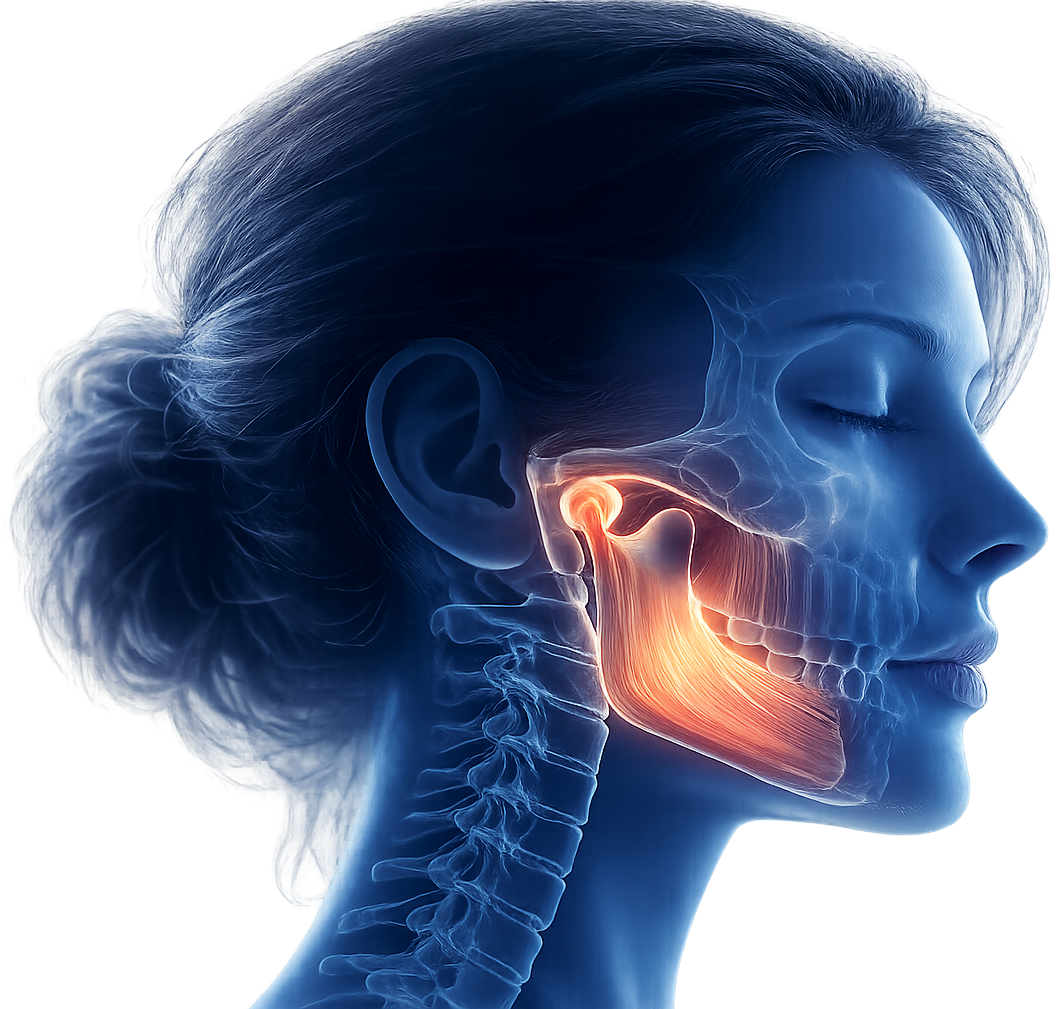
The jaw functions as part of a larger system involving the joint itself, the muscles of the face and neck, posture, movement patterns, and the nervous system. When one part of that system is not functioning well, other areas may begin compensating. For example:
Tight or overactive muscles can place additional stress on the jaw joint.
Restricted jaw mechanics can cause surrounding muscles to work harder than they should.
Clenching and grinding can repeatedly overload the muscles and joint.
Stress and neurological arousal can increase unconscious muscle tension.
Head, neck, and postural patterns may influence how the jaw moves and rests.
Over time, this can create a cycle:
Tension → Compensation → Irritation → More Tension
That is one reason symptoms may improve temporarily and then return.
━ YOUR PATTERN. YOUR PLAN
Understanding What’s Actually Driving the Problem
Your jaw pain has a story. We take the time to connect the pieces.
Where you hurt. When you clench. How your jaw moves. Whether the tension spreads into your neck and shoulders. What has helped—and what keeps returning.
Your physician-led assessment connects those details so we can build a treatment plan around you.
Effective treatment starts with understanding why your jaw is not functioning the way it should. Rather than looking at the joint in isolation, we evaluate the movement, muscular, structural, and neurological factors that may be contributing to pain, tension, clenching, or restricted motion.

Jaw Function & Range of Motion
How smoothly the jaw opens, closes, and moves side to side, including areas of restriction, asymmetry, clicking, or locking.

Jaw, Neck, and Shoulder Tension
Whether the muscles of the jaw, face, and surrounding areas are overactive, underactive, or compensating for dysfunction elsewhere.
Posture & Movement Patterns
How head, neck, and upper-body positioning may be influencing jaw mechanics and muscular tension.

Clenching & Grinding Patterns
When these behaviors occur, what may be triggering them, and how much strain they may be placing on the jaw and surrounding muscles.

Stress, Sleep, & Nervous-System Contributors
Whether nervous-system activation, stress patterns, or other neurological factors may be contributing to persistent muscle tension or repetitive clenching.
━ Who This Program Is For
What Would a More Comfortable Day Feel Like?
Your treatment goals should show up in real life. We build your program around the changes that matter to you.

Enjoy Your Meals
Improve opening, closing, and side-to-side movement while reducing restriction, stiffness, clicking, or catching.
Reduce Chronic Muscle Tension
Address overactive muscles in the jaw, face, and surrounding areas that may be contributing to soreness, fatigue, or pressure.
Decrease Clenching & Grinding Patterns
Identify and address the muscular or neurological patterns that may be keeping the jaw in a constant state of overactivity.
Improve Neuromuscular Regulation
Support more appropriate muscle activation and reduce patterns of tension associated with stress or nervous-system overactivation.
Reduce Related Headaches & Facial Tension
Improve contributing jaw and muscle patterns that may be associated with recurring headaches, facial pressure, or neck tension.
Improve
Daily Comfort
Make eating, speaking, sleeping, and everyday movement feel less restricted by jaw pain, tension, or stiffness.
━ What Treatment May Include
A Connected Approach to Jaw Relief & Recovery
Four complementary tools. One personalized plan.
Each technology has a distinct role. Your assessment determines which combination belongs in your program.
JAW MUSCLE RELAXATION & FUNCTION
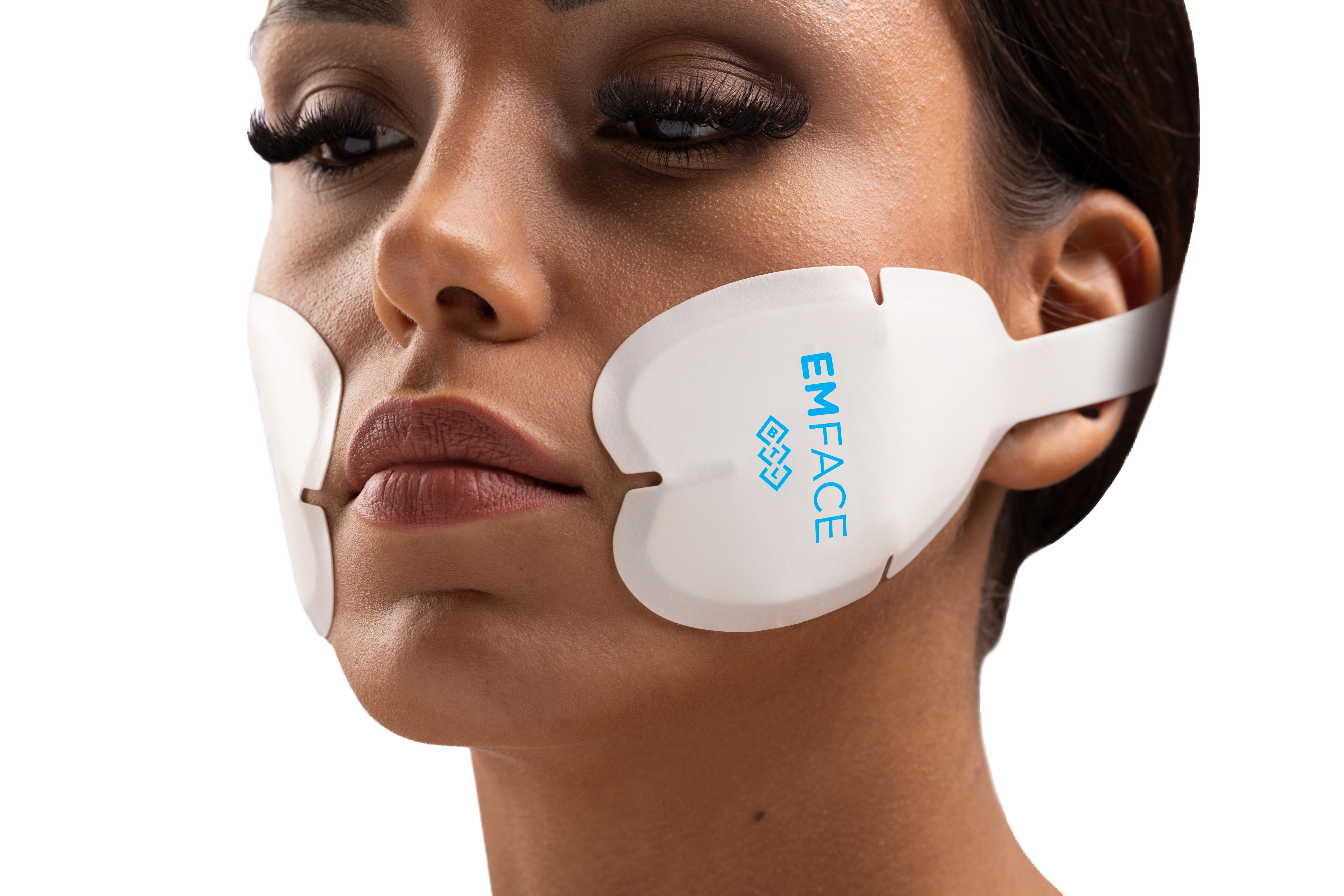
Emface®
Relax the Jaw. Improve Function.
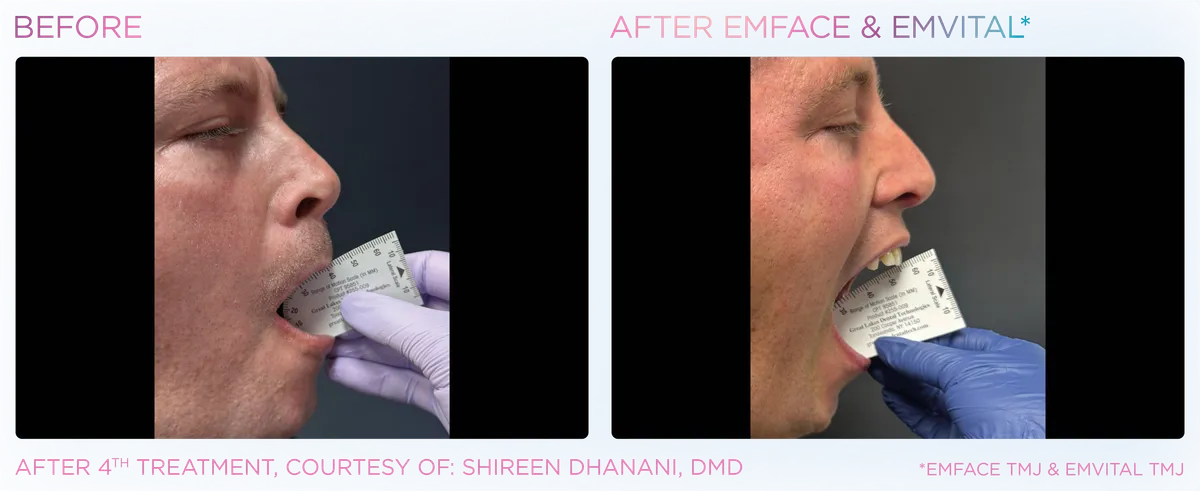
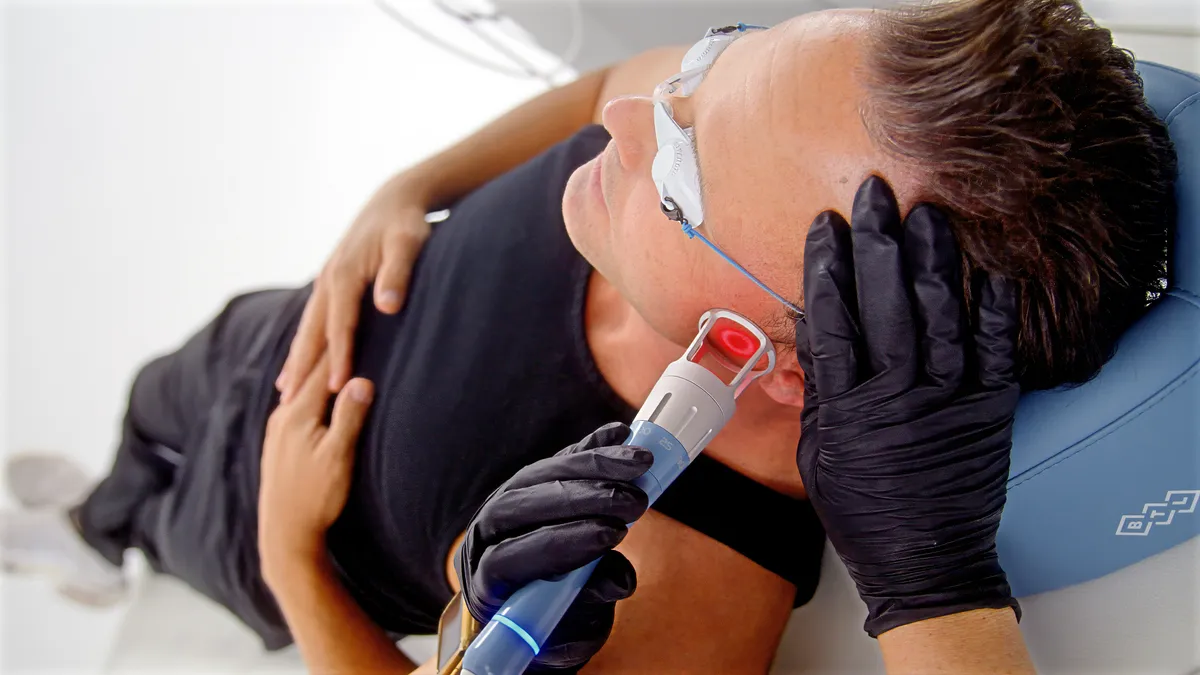
Emface® is an FDA-cleared, noninvasive treatment for TMJ-related symptoms. The TMJ-specific application addresses painful muscle spasm and supports muscle re-education and jaw mobility. Its functional purpose differs from an aesthetic facial treatment.
MUSCLE RELAXATION & PAIN RELIEF
EmVital®
Release Tension Beyond the Jaw
Jaw tension doesn’t always stop at the jaw. EmVital uses targeted laser energy to warm treated tissues, increase local circulation, and help relieve muscle and joint pain, stiffness, and spasms.
The goal: less guarding, less stiffness, and more comfortable movement across the whole jaw–neck–shoulder system.
BRAIN & STRESS REGULATION
Exomind®TMS
Bring the Brain Into the Picture
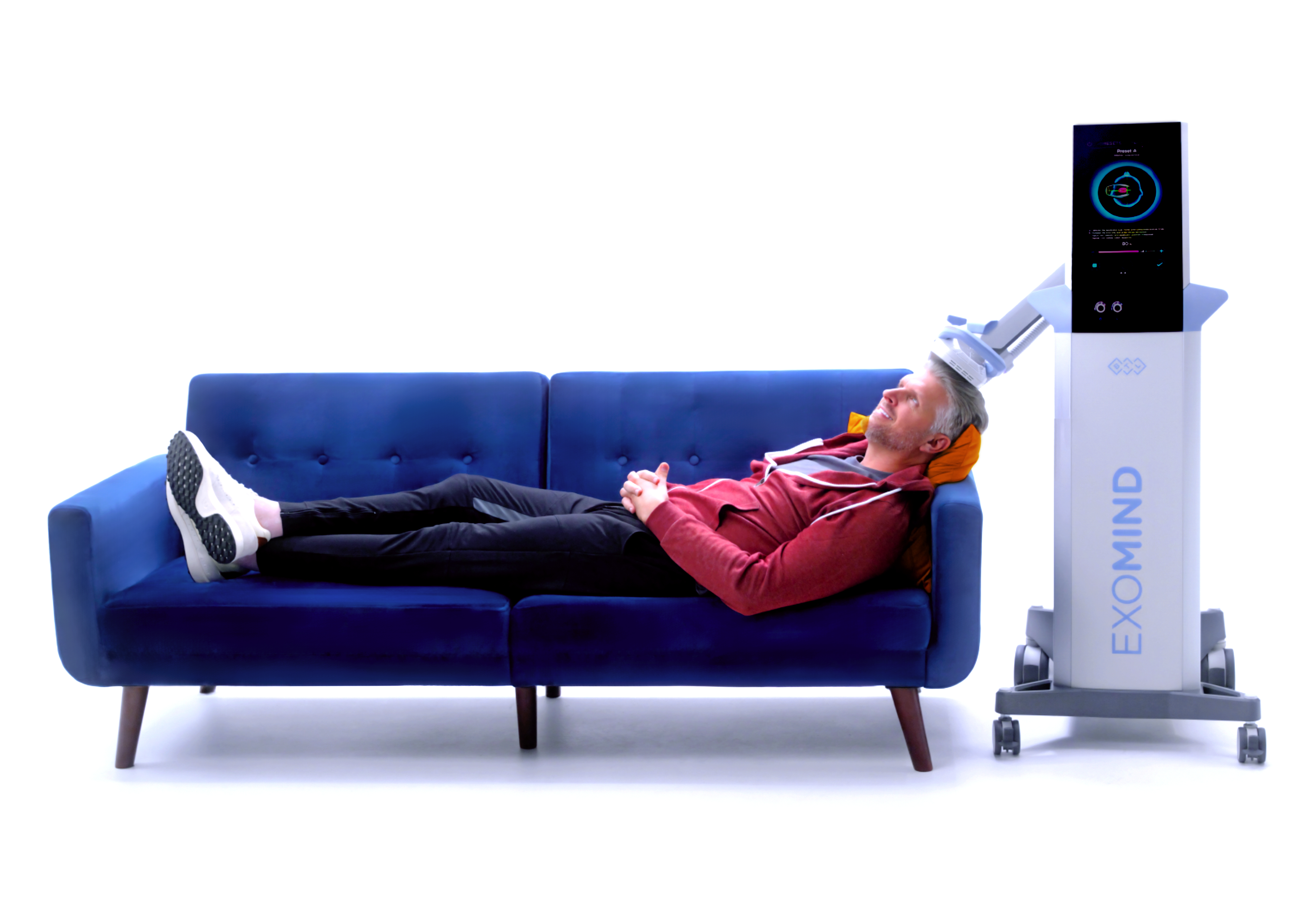
For selected patients, Exomind adds a brain-focused component. When stress and heightened arousal contribute to repeated clenching, our treatment goal includes better regulation and less habitual tension. Because these patterns are not always purely mechanical, treatment may focus on improving the way the nervous system regulates muscle activity and responds to stress.
joint & Soft tissue SUPPORT
Exion® Face
Support the Local Soft Tissues & Joint
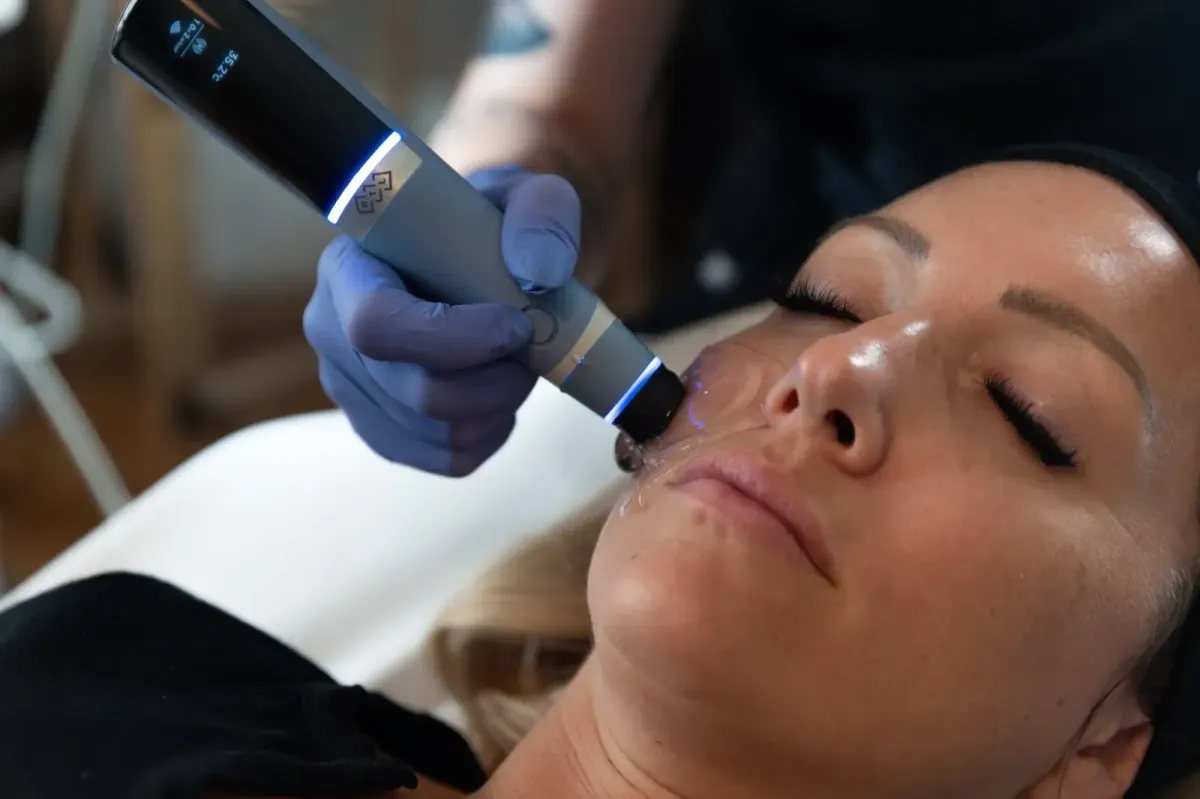
Exion® Face adds support to tissue quality and the structures surrounding the jaw joint, particularly when tension, inflammation, or changes in the surrounding soft tissue may be contributing to discomfort or reduced function. Creating a better environment for the muscles and joint to move more comfortably and efficiently.
━ There is more to assess.
Your Guard Is In Place.
your Jaw Still Hurts!
A bite guard can protect your teeth while other contributors to discomfort still need attention.
Our program extends treatment to the jaw muscles, surrounding soft tissues, connected neck and shoulder tension, and relevant clenching drivers.
Keep your dental team. Add a broader treatment plan.
We collaborate with dentists, orthodontists, and other treating professionals to support your recovery.

━ How the Program Works
A Structured Path to A More comfortable Jaw
Your care is built around how your jaw is functioning today, what may be contributing to your symptoms, and what you want to improve. From the initial consultation through ongoing treatment, each step is designed to identify the patterns behind pain, tension, clenching, or restricted movement and build a targeted plan to improve function over time.

Start With a Free Discovery Visit
Start With a Discovery Visit
Tell us what hurts, how it affects your life, and what you’ve already tried. Learn about the program and your next steps.
Get a Physician-Led
Assessment
We evaluate your jaw function and the connected contributors that guide treatment.
Choose Your Personalized Program
We evaluate your jaw function and the connected contributors that guide treatment.
Track Meaningful Progress
We reassess pain, movement, tension, and daily function—and adjust your plan based on your response.
━ Why This Program Is Different
TMJ Care Should Address More Than the Painful Parts
Traditional TMJ care often focuses on protecting the teeth, reducing discomfort, or managing symptoms as they appear. Those strategies can still be useful—but they may not address the muscular, mechanical, and neurological patterns contributing to recurring jaw tension and dysfunction.
At ISOM MD, we take a broader approach.
We evaluate how the jaw moves, how the surrounding muscles are functioning, whether clenching or grinding patterns are present, and what other factors may be contributing to continued overactivity or restriction.
That allows us to build a more personalized plan focused on improving function, reducing recurring tension, and addressing the patterns behind the symptoms—not just managing the symptoms themselves.
━ FAQ
Common Questions, Honest Answers
Choosing a new approach to your recovery is not a small decision. Here are the questions we hear most often.
Still have questions?
The best way to find out if this is the right fit is a conversation. Click the button below to speak with our team
Can I participate if I already wear a bite guard?
Yes. We assess additional muscular and whole-person contributors while you continue working with your dental team.
Is Emface for TMJ the same as an aesthetic Emface treatment?
The TMJ application has a functional purpose focused on muscle spasm, muscle re-education, and jaw mobility. Your treatment is selected around your jaw findings..
Can this help if I clench when I’m stressed?
That is an important pattern to discuss. We assess the muscular and stress-related contributors and determine whether a brain-focused component belongs in your plan.
Do I still see my dentist?
Yes. Your dentist continues directing your DENTAL treatment. Our program adds physician-led assessment and treatment of additional contributors to jaw discomfort and dysfunction..
How much does the program cost?
Pricing depends on the recommended combination and treatment course. We explain your options and costs before you begin. A focused plan starts at $1500
Will I need all four technologies?
Your assessment determines the recommendation. We offer focused and combination programs so treatment can reflect your needs and budget.
Why treat my neck and shoulders?
Your jaw symptoms can occur alongside tension in connected muscular areas. We assess that broader pattern and include those areas when indicated.s.
What happens at the free Discovery Visit?
We discuss your symptoms, explain the program, and help you understand the next step. The clinical assessment is a separate step in your treatment pathway.
Ready for a Day Without Jaw Pain?
Start with a conversation—and leave with a clearer next step.
Tell us about the tight mornings, uncomfortable meals, persistent clenching, or neck and shoulder tension.
We’ll explain how our whole-person TMJ approach works and help you explore your options.
You deserve to know what else is possible.
Direct Primary Care
Brain. Body. Beauty.
Healthspan.


CARE OPTIONS
PROGRAMS
Healthspan Gym
NeuroSpectrum
Isometrix
Employer & Organization Programs
EXPLORE: BRAIN | BODY | BEAUTY | MEET DR. ISOM | BOOK A CONSULTATION
© 2026 Isom MD, PLLC. All rights reserved. | Notice of Privacy Practices | Website Privacy Policy | Terms & Conditions