
Restore Core Strength, Pelvic Floor Function, and Structural Stability After Pregnancy
Pregnancy and childbirth can change how the pelvic floor, core, and abdominal wall function together. When those changes persist, they may affect strength, stability, comfort, and movement. This program is designed to help rebuild core and pelvic floor function and support long-term postpartum recovery.
Restore Core Strength, Pelvic Floor Function, and Structural Stability After Pregnancy
Pregnancy and childbirth can change the way your core, pelvic floor, posture, and muscles work together. Even after normal healing has occurred, you may still notice weakness, pressure, instability, abdominal separation, discomfort, or simply feel like your body isn’t working the way it did before.
The Postpartum Recovery & Women’s Core Health Program evaluates how your body is functioning now and creates a personalized plan to help restore strength, coordination, and stability—so you can confidently return to the activities that matter to you.
━ The ISOM md Approach
Postpartum Recovery Requires More Than Simply “Getting Active Again”
Walking and gradually returning to exercise are important parts of postpartum recovery. But after pregnancy and childbirth, the body may also need to relearn how the core, pelvic floor, and surrounding muscles activate, coordinate, and support movement. We look at recovery across three levels and uses the appropriate combination of movement, targeted strengthening, neuromuscular retraining, and technology-assisted muscle activation based on what your body needs.
━ what we may evaluate
Understanding What May Be Affecting Your postpartum recovery
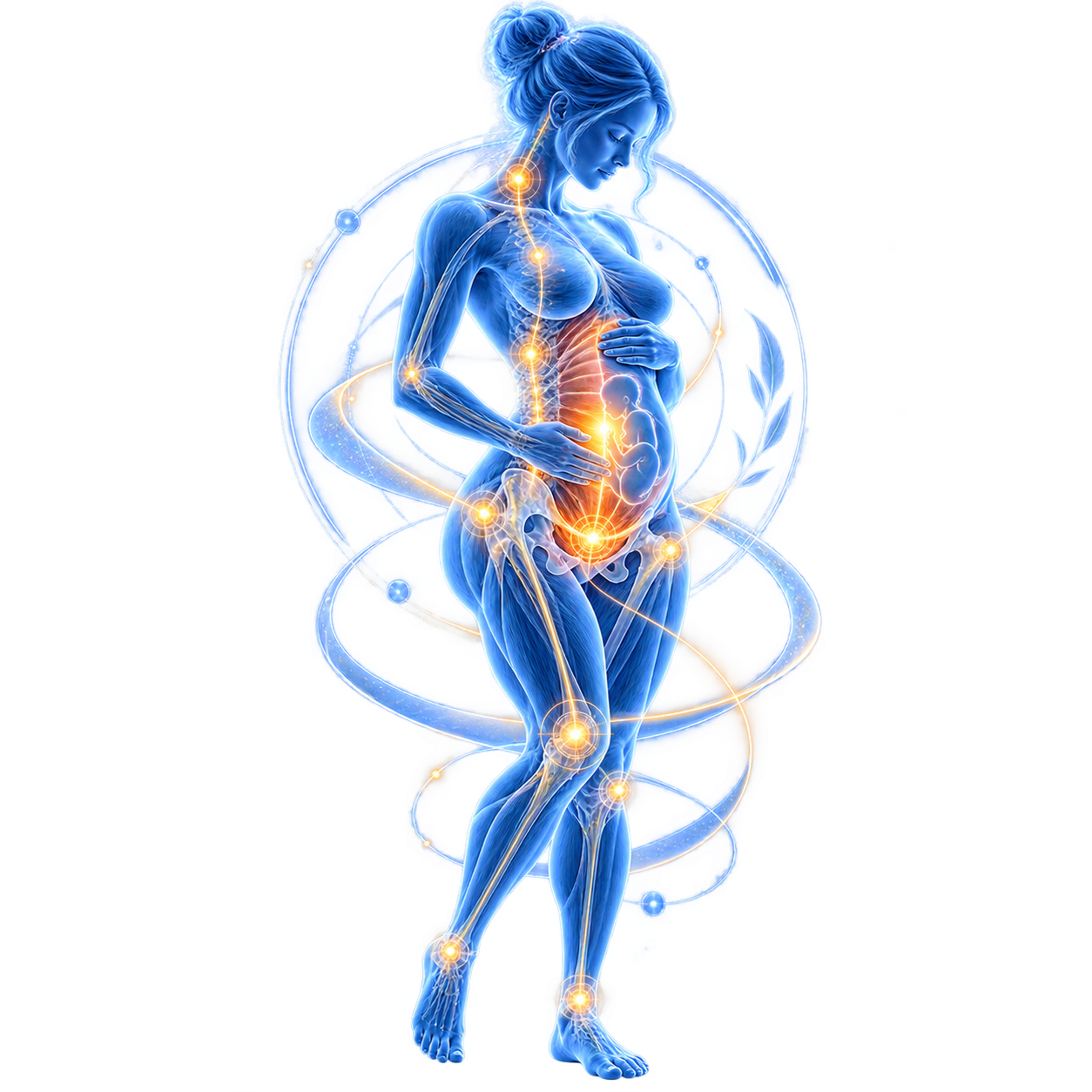
Pregnancy and childbirth can change how the core, pelvic floor, abdominal wall, posture, and surrounding muscles work together.
Even after the body has healed medically, weakness, poor coordination, abdominal separation, muscular imbalance, or compensation patterns may still affect how stable and supported you feel during everyday movement or exercise.
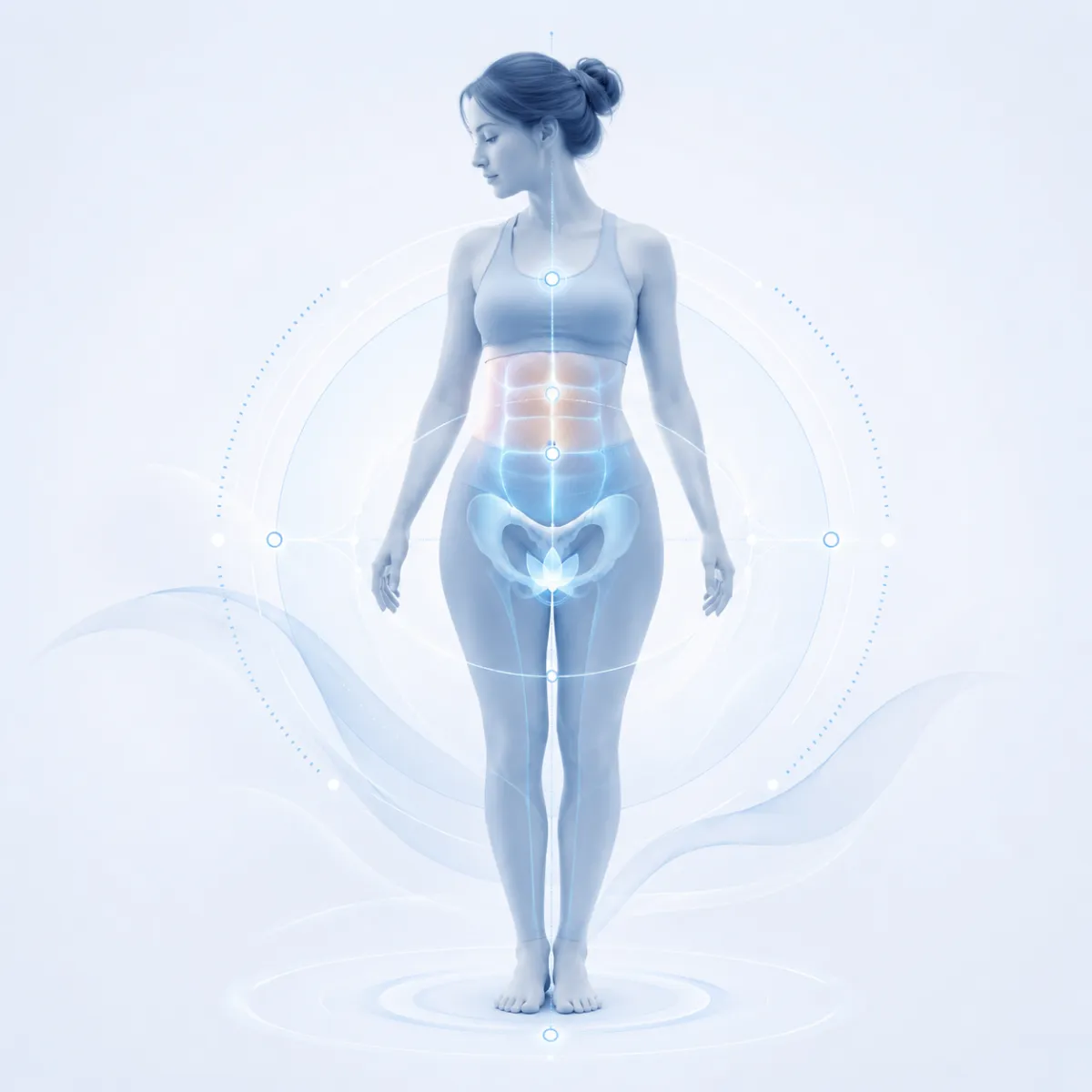
Depending on the patient, evaluation may include:

Posture & Alignment Assessment
Evaluate changes in posture, pelvic positioning, and structural alignment that may be contributing to strain, instability, or inefficient movement.
Core Strength & Activation Assessment
Assess how effectively the abdominal and core muscles activate, stabilize, and support the body during movement.
Pelvic Floor Evaluation
Evaluate pelvic floor function, control, coordination, and areas of weakness or dysfunction that may be affecting daily activity or exercise.
Diastasis Recti Assessment
Assess abdominal separation and how well the abdominal wall is managing tension and pressure during movement.
Body Composition & Muscular Balance
Evaluate body composition and muscular balance to identify areas of weakness, asymmetry, or reduced muscle development that may influence recovery.
Rather than evaluating one area in isolation, we look at how these systems work together to better understand what your body may need to rebuild strength, stability, and function after pregnancy.
━ Who This Program Is For
What This Program Is Designed To Improve:
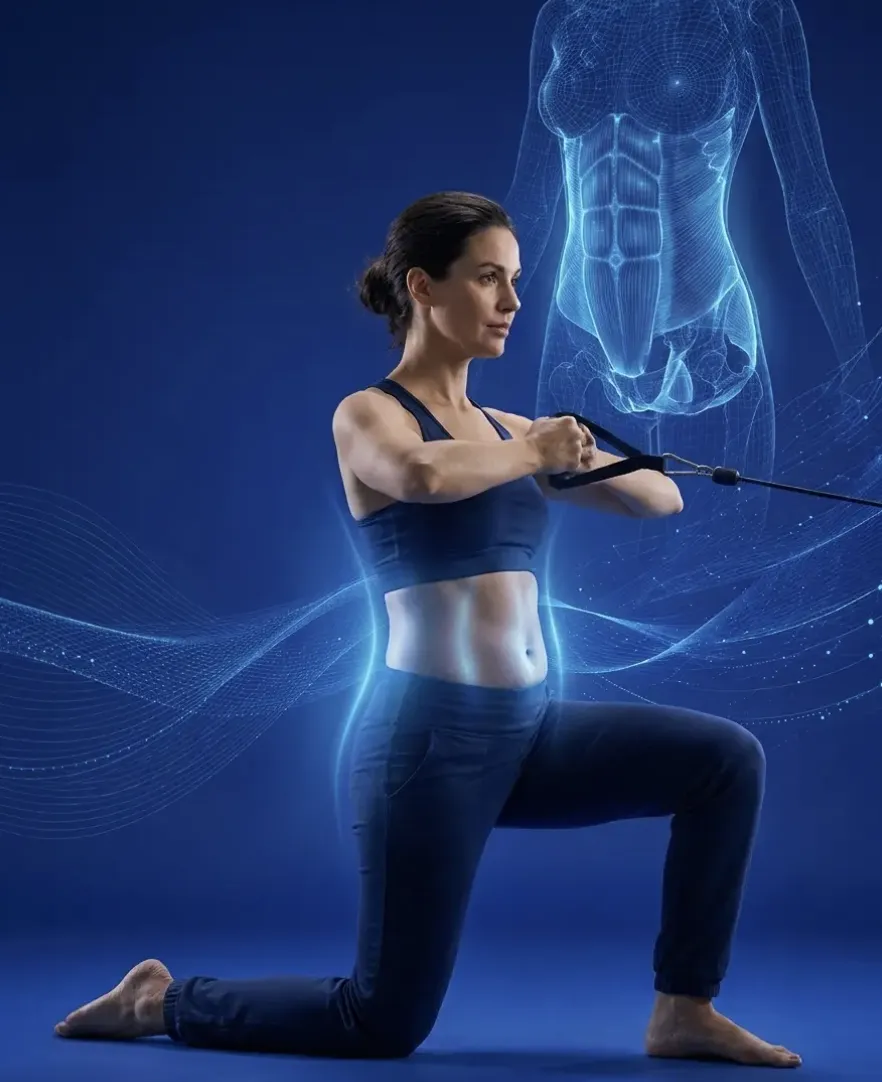
Postpartum recovery looks different for every woman. Some notice obvious pelvic floor or core symptoms, while others simply feel weaker, less stable, or disconnected from their body after pregnancy. This program is designed to identify the areas that may still need support and help rebuild strength, coordination, and confidence over time.

Improve Pelvic Floor Strength & Control
Build better pelvic floor function to support bladder control, stability, exercise, and everyday movement.
Rebuild Core Stability & Coordination
Help your core muscles activate and work together more effectively so you feel stronger and more supported.
Restore Abdominal Wall Function
Improve abdominal wall integrity and control, including support for concerns such as diastasis recti.
Support Whole-Body Postpartum Recovery
Consider physical and hormonal recovery factors that may influence energy, strength, body composition, and how well your body is rebuilding after pregnancy.
━ What Treatment May Include
Targeted Support for the Areas That Need It Most
Postpartum recovery is different for every woman. Your care plan is based on your recovery stage, symptoms, evaluation findings, and goals, with support selected according to what your body needs most. Depending on your plan, treatment may include pelvic floor and core-focused neuromuscular therapy, device-based muscle activation, and physician-guided supplementation or peptide support to help restore strength, coordination, and overall physical recovery.
PROGRESSIVE CARE
Your Plan Evolves With Your Recovery
Assess. Restore. Strengthen. Progress.
Postpartum recovery is not a one-time treatment. Your plan is adjusted over time based on improvements in strength, muscle activation, coordination, stability, and overall function so care can progress alongside your recovery.
NEUROMUSCULAR THERAPY
Pelvic Floor & Core-Focused Retraining
Restore Activation, Coordination & Strength
Targeted neuromuscular strategies may be used to improve how the pelvic floor, abdominal wall, and core muscles activate and work together.
The goal is to rebuild control, coordination, stability, and strength so your body can better support everyday movement and a gradual return to exercise.
RECOVERY SUPPORT
Supplementation & Peptides
Support Recovery From the Inside Out
When appropriate, supplementation, peptide support, and other physician-guided recovery strategies may be considered to support tissue repair, physical recovery, and overall restoration following pregnancy.
INTEGRATED CARE
Coordinated Movement Strategy
Correct. Retrain. Strengthen. Progress.
Rather than treating one painful area or weak muscle in isolation, ISOMetrix™ brings multiple strategies together around the movement patterns identified during your evaluation.
Your plan is progressively adjusted as strength, control, mobility, and function improve.
DEVICE-BASED SUPPORT
Targeted Muscle Activation
Support Specific Areas of Weakness
When appropriate, advanced technologies may be incorporated to provide additional targeted muscle stimulation and strengthening.
Emsella® for pelvic floor strengthening and muscle activation
Emsculpt Neo® for core strength and abdominal muscle rebuilding
TruFlex® for targeted muscle activation and strengthening
These technologies are used as part of a broader recovery plan based on your individual needs.
━ How the Program Works
A Structured Path to Greater Strength & Movement
Your care plan is built around your symptoms, clinical findings, and goals, then adjusted over time based on your response, progress, and day-to-day function.
Consultation & Postpartum Assessment
We begin by understanding your recovery stage, symptoms, and goals.
Structural & Functional Evaluation
Assessment may include posture, pelvic floor function, and core stability.
Targeted Rehabilitation & Performance Plan
A personalized plan is created to rebuild strength, stability, and coordination.
Ongoing Support & Optimization
Progress is monitored and the plan is adjusted as your body recovers and strengthens.
━ Why This Program Is Different
Being Cleared To Exercise Doesn’t Always Mean Your Body Is Fully Rebuilt
After pregnancy, many women are medically cleared to return to normal activity—but are given very little guidance on how to rebuild the strength, coordination, and stability that may have changed during pregnancy and childbirth.
The core, pelvic floor, abdominal wall, posture, and surrounding muscles all work together. When one area is weak, poorly coordinated, or not activating effectively, the body may compensate in ways that affect movement, exercise, and long-term function.
Rather than focusing on one symptom or one muscle in isolation, the Postpartum Recovery & Women’s Core Health Program looks at how these systems are working together.
━ FAQ
Common Questions, Honest Answers
Choosing a new approach to your recovery is not a small decision. Here are the questions we hear most often.
Still have questions?
The best way to find out if this is the right fit is a conversation. Click the button below to speak with our team
How soon after pregnancy can I start this program?
Timing depends on how your body is healing, your delivery history, and whether you have been medically cleared for activity. Your consultation helps determine the safest and most appropriate starting point.
Do I need to have severe pelvic floor or core symptoms to benefit?
No. Some women come in because they are dealing with leakage, weakness, diastasis, or discomfort, while others simply want a more structured way to rebuild strength and stability after pregnancy.
Can this help with diastasis recti?
The program may include assessment of abdominal separation, core activation, and abdominal wall function. Your plan is then tailored based on the severity of separation, muscle control, and your overall recovery needs.
Is this the same as pelvic floor physical therapy?
Not exactly. Pelvic floor physical therapy can be an important part of postpartum recovery. This program takes a broader approach that may also evaluate core strength, abdominal wall integrity, posture, muscular balance, and other recovery factors to build a more comprehensive plan.
What treatments are used in this program?
Treatment plans are device-based and selected according to your evaluation, symptoms, and recovery goals. Depending on your needs, your plan may incorporate Emsella® for pelvic floor strengthening, Emsculpt Neo® for core and abdominal muscle rebuilding, and TruFlex® for targeted muscle activation and strengthening.
Start With a Consultation
If you are navigating postpartum recovery and want to rebuild strength, stability, and confidence in your body, the first step is understanding where your body currently is. A consultation helps determine whether this program is the right fit and what next steps may be most appropriate.
Direct Primary Care
Brain. Body. Beauty.
Healthspan.


CARE OPTIONS
PROGRAMS
Healthspan Gym
NeuroSpectrum
Isometrix
Employer & Organization Programs
EXPLORE: BRAIN | BODY | BEAUTY | MEET DR. ISOM | BOOK A CONSULTATION
© 2026 Isom MD, PLLC. All rights reserved. | Notice of Privacy Practices | Website Privacy Policy | Terms & Conditions