
Restore Pelvic Floor Strength, Improve Bladder Control, and Move With More Confidence
Urinary leakage, reduced pelvic floor control, and core instability can develop after pregnancy, with age, or as strength and coordination change over time. And while these concerns are common, they do not have to become something you simply learn to live with.
The Pelvic Floor & Incontinence Program takes a targeted, non-invasive approach to strengthening the muscles involved in bladder control, improving pelvic floor coordination, and rebuilding the deeper core support that contributes to pelvic stability.
Restore Pelvic Floor Strength, Improve Bladder Control, and Move With More Confidence
Urinary leakage, reduced pelvic floor control, and core instability can develop after pregnancy, with age, or as strength and coordination change over time. And while these concerns are common, they do not have to become something you simply learn to live with.
The Pelvic Floor & Incontinence Program takes a targeted, non-invasive approach to strengthening the muscles involved in bladder control, improving pelvic floor coordination, and rebuilding the deeper core support that contributes to pelvic stability.
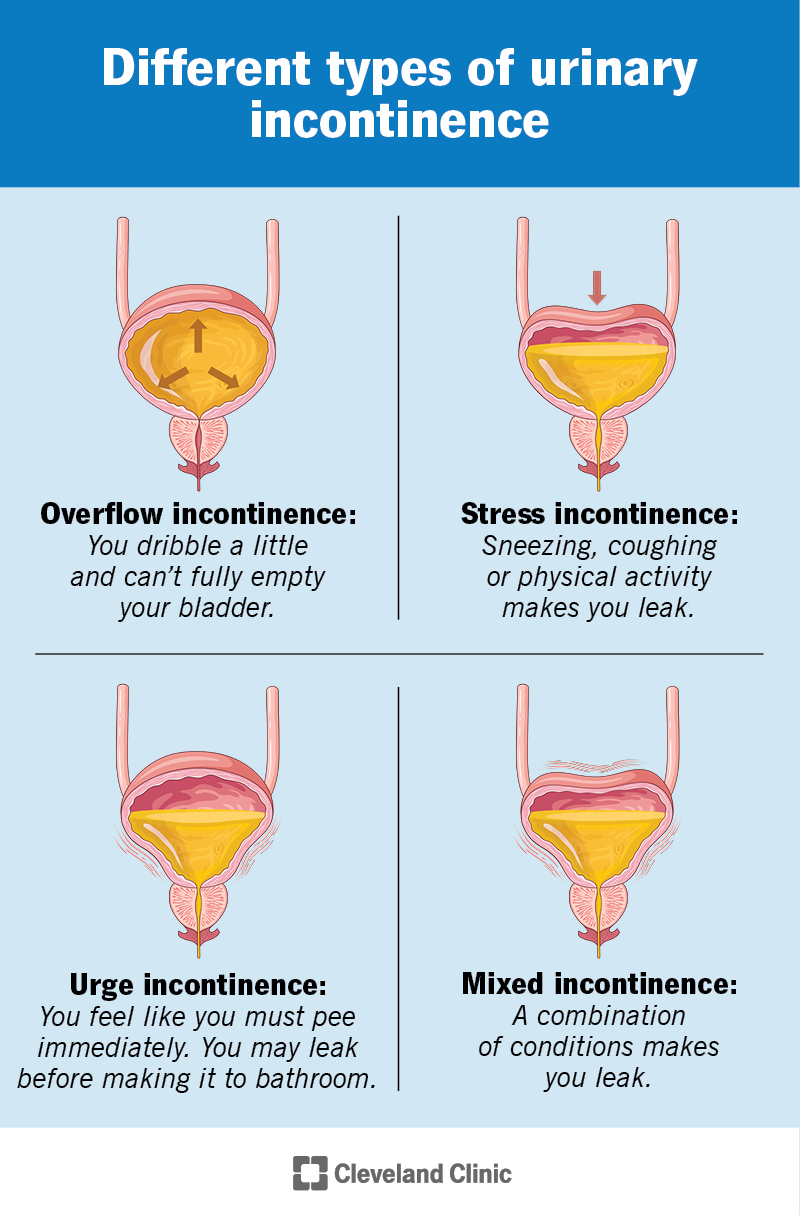
━ Why Does Urine Leakage Happen?
Bladder control depends on more than the bladder itself.
The pelvic floor is a group of muscles that helps support the bladder and plays an important role in controlling the release of urine. When these muscles become weakened, poorly coordinated, or unable to respond effectively during movement and increases in abdominal pressure, leakage can occur. Pregnancy, childbirth, aging, changes in strength, hormonal changes, and other physical factors may all contribute.
Urinary incontinence does not always begin as a major loss of bladder control. Sometimes it starts with small changes that gradually become part of everyday life.
Leakage when coughing, sneezing, laughing, or lifting
Leaking during running, jumping, workouts, or other physical activity
A sudden urge to urinate that can be difficult to control
Needing to use the bathroom more often than you used to
Worrying about leakage during exercise or everyday movement
Avoiding certain activities because you are not sure your bladder will cooperate
Planning outings, travel, or routines around access to a bathroom
These symptoms may be common, but they do not have to become your new normal.
━ what we may evaluate
Understanding What’s Actually Driving the Problem

Effective treatment starts with understanding why pelvic floor function has changed and which supporting systems may be contributing. The goal is not simply to identify that a problem exists. It is to understand what is contributing to it so your care can be targeted to the areas most likely to improve control, function, and confidence.
Depending on your needs, the evaluation may look at:

Pelvic Floor Function
strength, activation, endurance, and control

Core Coordination
how the pelvic floor, abdominal muscles, and deeper stabilizers work together

Movement & Stability
posture, movement patterns, and structural support that may affect pelvic function

Symptom Triggers
when leakage, pressure, weakness, or instability tends to occur

Contributing Factors
pregnancy history, activity level, daily habits, and other physical factors that may influence function
━ Who This Program Is For
What This Program Is Designed To Improve:
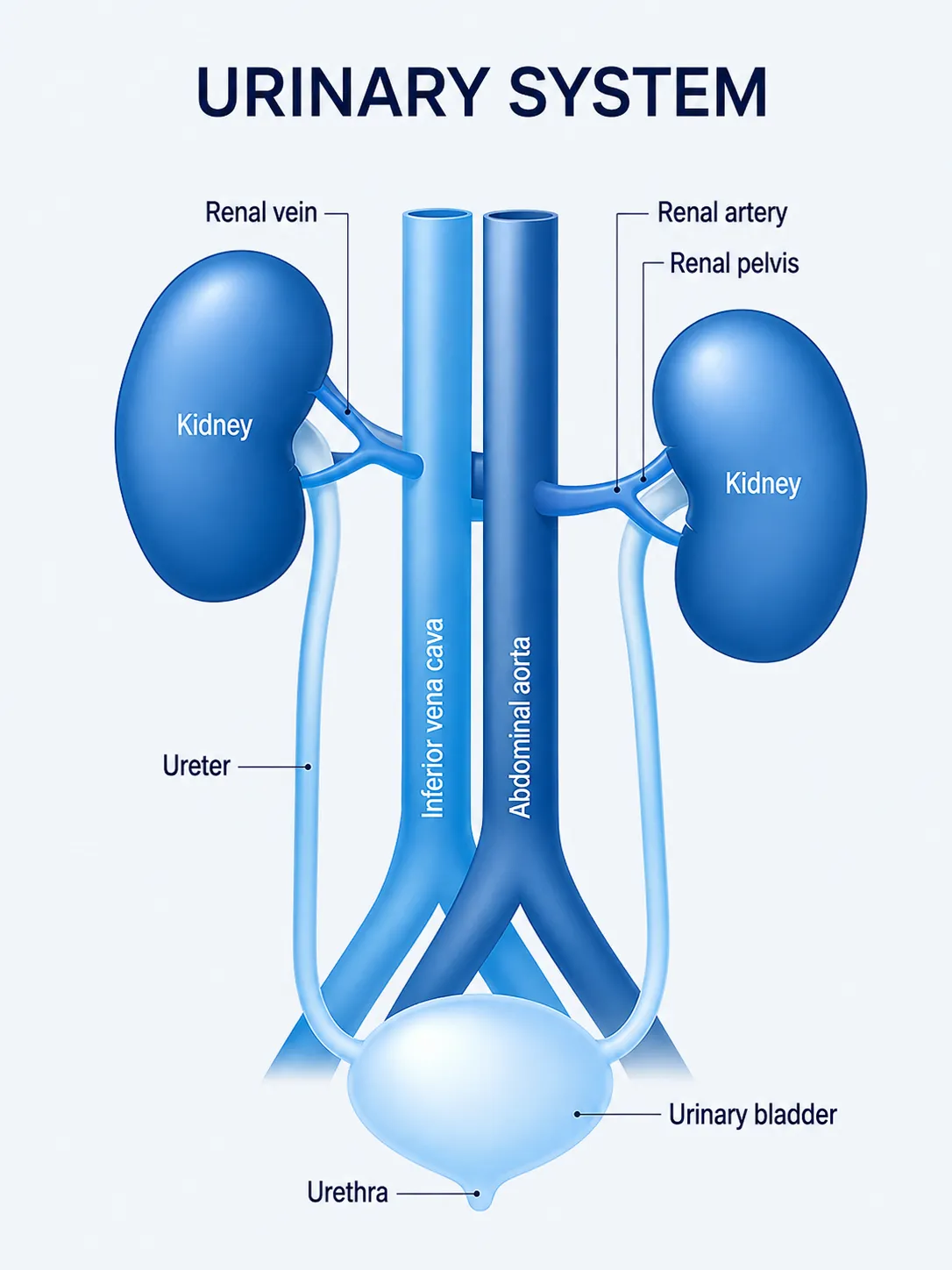
The goal is to improve the strength, coordination, and control of the muscles that support pelvic floor function. Your plan may focus on:

Bladder Control
Reducing leakage and improving urinary control
Pelvic Strength
Improving activation, endurance, and muscular support
Core Stability
Strengthening the deeper muscles that support the pelvis and spine
Neuromuscular Coordination
Helping the pelvic floor and core work together more effectively
Confidence in Movement
feeling more secure during exercise, daily activity, coughing, lifting, and other movements
Functional Control Under Pressure
Improving pelvic floor response during coughing, sneezing, lifting, jumping, and exercise
━ What Treatment May Include
A Personalized Plan Built Around How Your Pelvic Floor Is Actually Functioning
Treatment is individualized based on your pelvic floor function, symptoms, contributing factors, and goals. Depending on your care plan, we may combine advanced pelvic floor stimulation, neuromuscular retraining, and core and structural support strategies to improve bladder control, strength, coordination, and long-term pelvic stability.
PELVIC FLOOR STIMULATION
Emsella® Pelvic Floor Therapy
Improving Strength & Bladder Control
FDA-cleared Emsella® uses focused electromagnetic stimulation to activate the deep pelvic floor musculature involved in urinary control. Treatment produces repeated pelvic floor contractions while you remain fully clothed and seated comfortably, helping strengthen muscles that can be difficult to activate effectively through voluntary exercise alone.
NEUROMUSCULAR RETRAINING
Pelvic Floor & Core Coordination
Improving Muscle Activation & Control
Targeted neuromuscular re-education may be used to improve how the pelvic floor and core muscles activate, coordinate, and work together during movement and daily activity.
CORE & STRUCTURAL SUPPORT
Pelvic Stability Strategies
Supporting the Pelvic System as a Whole
Core and structural support strategies may be used to improve stability, reinforce surrounding musculature, and provide better support for pelvic floor function over time.
━ How the Program Works
A Structured Path to Better Pelvic Floor Function
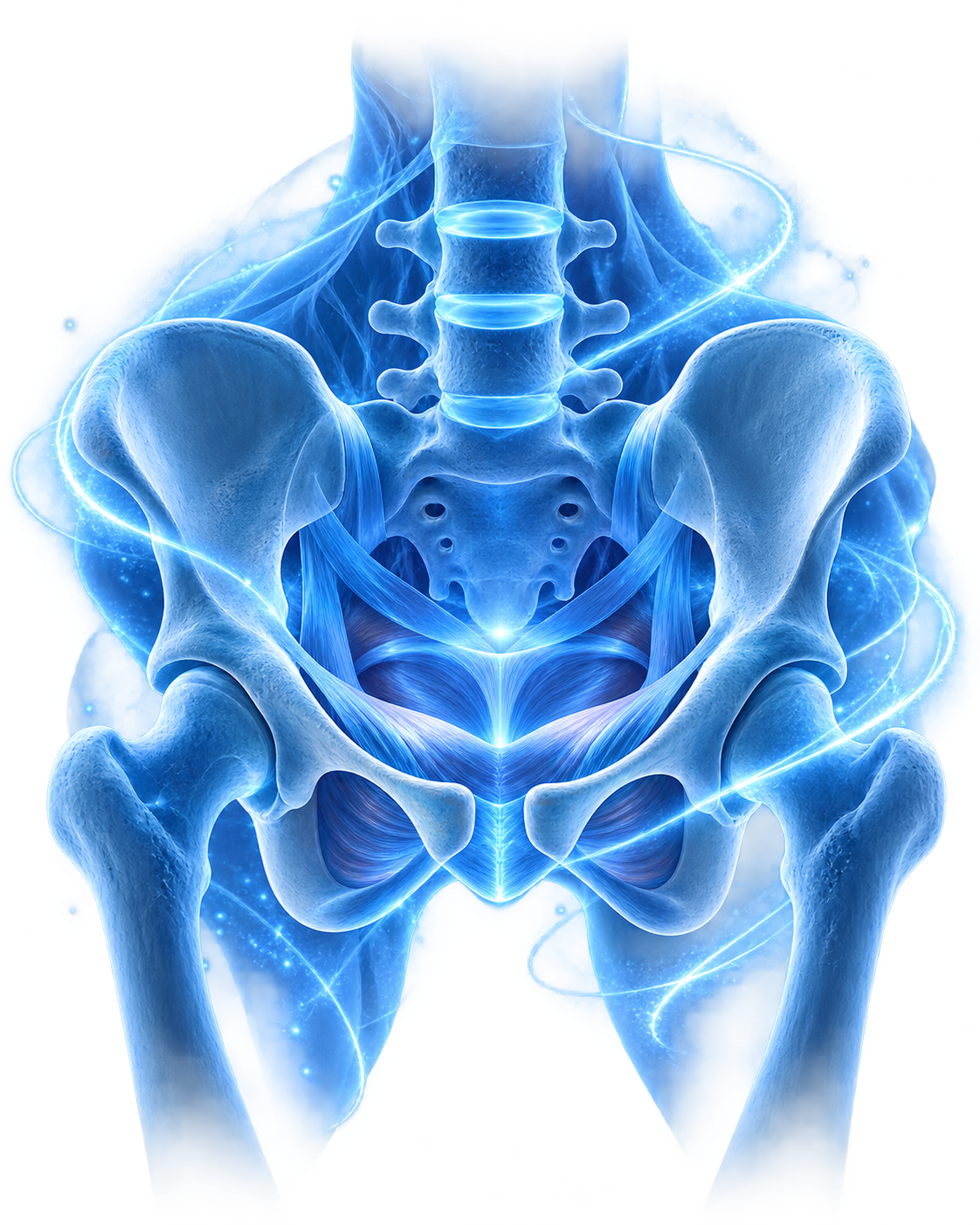
Your care is built around how your pelvic floor is functioning today and what you want to improve. From the initial assessment through ongoing treatment, each step is designed to identify contributing factors, target the right areas, and progressively improve strength, control, and confidence.

Consultation &
Symptom Review
We begin by understanding your symptoms, concerns, activity limitations, and what you want to improve.

Pelvic Floor &
Core Evaluation
We assess pelvic floor function, core coordination, stability, and other factors that may be contributing to leakage or reduced control.

Personalized Treatment Plan
Based on your findings, we build a targeted plan designed to improve strength, coordination, bladder control, and pelvic stability.

Progress Tracking & Adjustment
Your response is monitored over time, and your care plan is adjusted as function, control, and confidence improve.
━ Why This Program Is Different
Move Beyond Symptom Management to Better Pelvic Floor Function
Urinary leakage is often treated as something to simply manage — with pads, lifestyle adjustments, or generalized exercises that may not address the full picture. This program takes a more targeted approach by looking at pelvic floor strength, coordination, core support, symptom triggers, and other contributing factors that may be affecting bladder control. The goal is not just to help you work around leakage. It is to improve the strength, control, and support systems that contribute to better bladder function over time.
━ FAQ
Common Questions, Honest Answers
Choosing a new approach to your recovery is not a small decision. Here are the questions we hear most often.
Still have questions?
The best way to find out if this is the right fit is a conversation. Click the button below to speak with our team
What types of urinary leakage may this program help with?
Depending on the individual, the program may be appropriate for stress incontinence, urge incontinence, or mixed symptoms. Your consultation and evaluation help determine what may be contributing to your symptoms and whether this program is a good fit.
How is this different from just doing Kegels or other exercises?
Pelvic floor exercises can be helpful, but they rely on correctly activating and coordinating the right muscles. This program looks beyond exercises alone. We may evaluate pelvic floor function, core coordination, structural support, movement patterns, and symptom triggers, then build a more targeted treatment plan around those findings.
What role does Emsella® play in the program?
Emsella® is one of the primary tools used to strengthen the pelvic floor muscles involved in bladder control. It uses high-intensity focused electromagnetic stimulation to create repeated pelvic floor contractions while you remain fully clothed and seated. This can help activate deeper musculature that may be difficult to train effectively through voluntary exercise alone.
Emsella® is non-invasive and generally does not require downtime with sessions that typically last about 30 minutes. Most people describe a strong pulsing, tingling, or contracting sensation in the pelvic floor. The treatment is designed to be well tolerated, and intensity can be adjusted based on your comfort.
Is this program only for women?
No. Pelvic floor weakness and urinary incontinence can affect both women and men. The appropriate treatment approach depends on the individual’s symptoms, medical history, and underlying contributing factors.
Can this program help after pregnancy or childbirth?
Yes, depending on the individual. Pregnancy and childbirth can affect pelvic floor strength, core stability, and muscular coordination. The program can evaluate these areas and determine whether pelvic floor stimulation, neuromuscular retraining, or additional support strategies may be appropriate.
Start With A Consultation
If you are experiencing changes in pelvic floor strength or control, the first step is understanding what may be contributing to those changes. You don’t have to manage it quietly—and you don’t have to guess. A consultation helps determine whether this program is the right fit and what next steps may be most appropriate.

Direct Primary Care
Brain. Body. Beauty.
Healthspan.


CARE OPTIONS
PROGRAMS
Healthspan Gym
NeuroSpectrum
Isometrix
Employer & Organization Programs
EXPLORE: BRAIN | BODY | BEAUTY | MEET DR. ISOM | BOOK A CONSULTATION
© 2026 Isom MD, PLLC. All rights reserved. | Notice of Privacy Practices | Website Privacy Policy | Terms & Conditions